

What You’re Actually Paying For When You Hire a Product Photographer
Your Photos Are the First Thing a Customer Judges
Before anyone reads a word about your product, they've already looked at the picture and decided whether they trust it. That's the job your product photos are doing, and it's why product photography pricing tends to surprise people. They came in expecting to pay for a picture. What they're really buying is whether a stranger believes in their product enough to spend money on it.
So when a quote comes back higher than you guessed, it usually isn't because photographers are expensive for the fun of it. It's because the thing you're actually paying for is bigger than a photo. I'd rather you understand exactly where the money goes, because once you do, you can make a smart call about what your product needs and what it doesn't. That's better for you, and it makes for a better project.
What Goes Into Product Photography Pricing
A good quote isn't one number with a guess behind it. Mine breaks into line items so you can see what you're buying: the planning, the actual shoot day, the editing afterward, plus any props, gear rentals, or licensing your project calls for. Each of those is mostly a measure of time, and time is where quality either happens or doesn't.

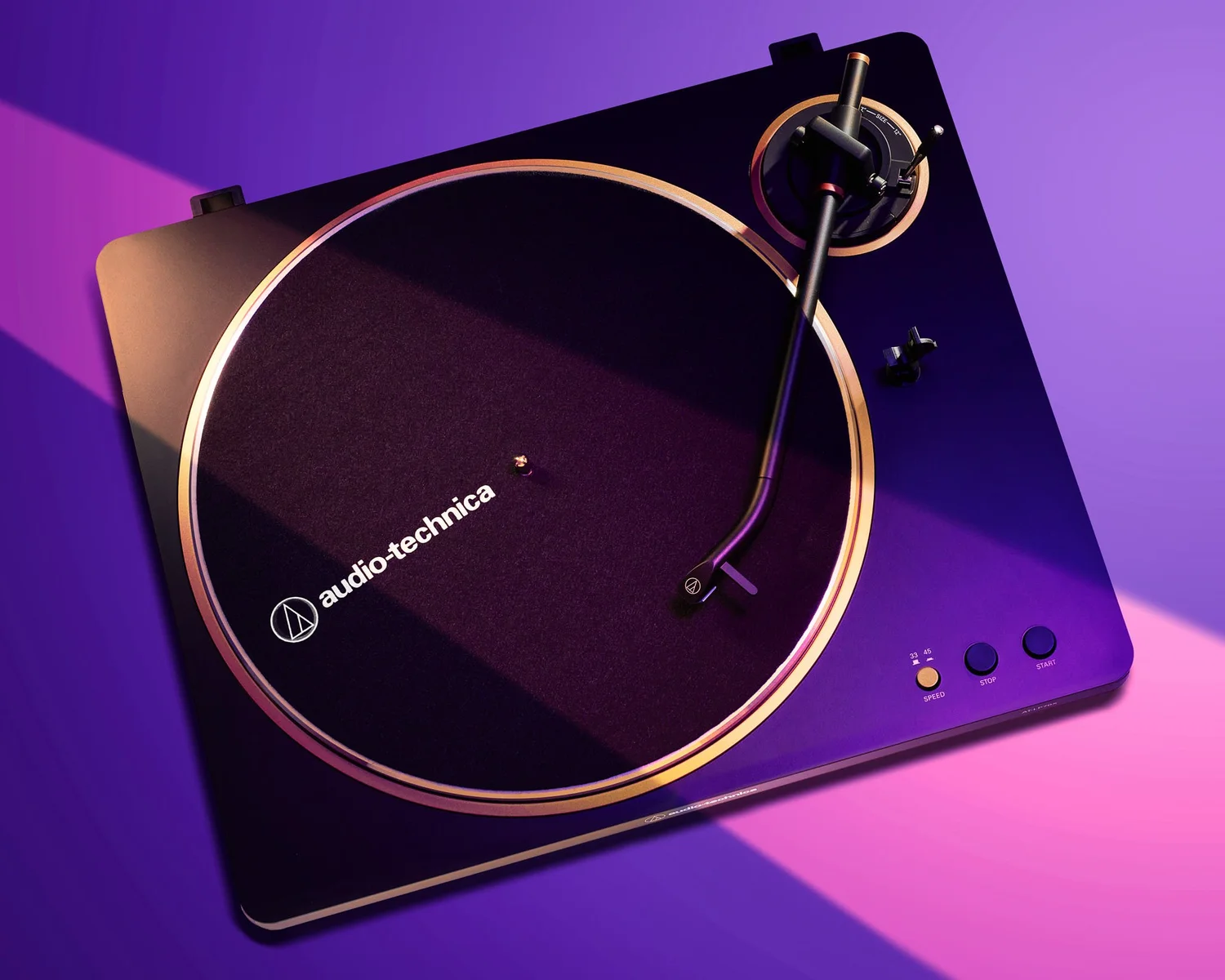
A styled campaign hero for Big Stick bourbon.
That matters to you for a simple reason. A photo that misrepresents your product works against you, because shoppers can tell when an image is hiding something. An accurate, polished image earns trust on the page where people decide to buy. When you compare product photography rates, you're really comparing how much skill and care goes into that result, not how nice someone's camera is.
You'll also notice that where your images end up changes the cost. Ten clean shots for your website is a different job than one hero image headed for a billboard, even when it's the same product on the same table. Keep that in mind when you think about product photography cost. The use drives the number more than the click of the shutter does. The same goes if your project needs motion as well as stills, since video carries its own estimate. You can get a feel for that side of the work in my videography portfolio.
Why Some Products Cost More to Shoot Than Others
If your product is simple and matte, something clean straight out of the box, it shoots fast and prices low. I can light it cleanly, work through the angles, and move on. You're not paying for drama you don't need.
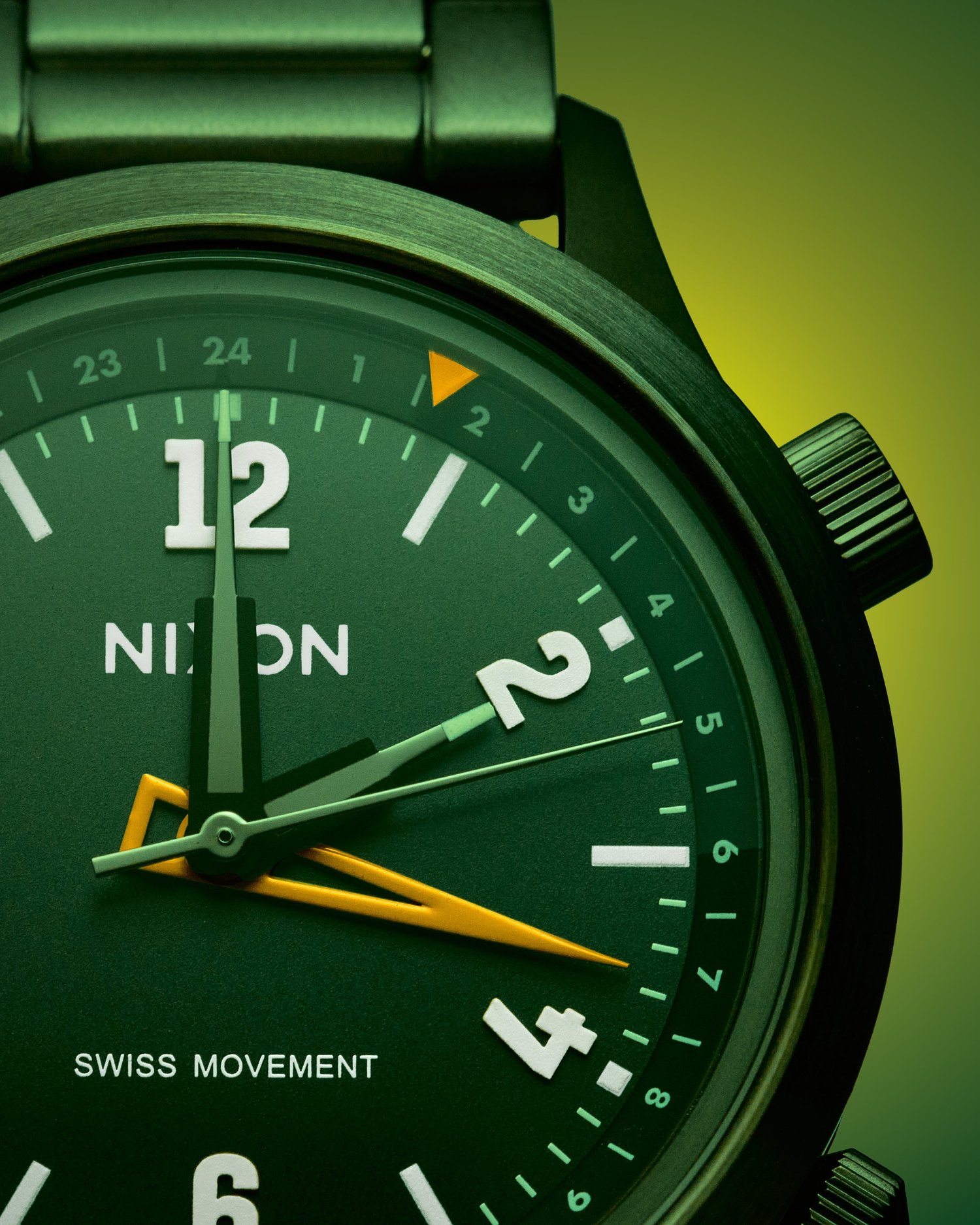
A reflective product like this Nixon watch takes layered, carefully placed lighting to control every highlight.
Reflective and metallic products are the ones that surprise people on a quote. Glass, chrome, glossy packaging, anything shiny throws back every light and every fingerprint. Those take careful, layered lighting, and sometimes I'll shoot a product in pieces and combine the best frames into one clean image. I've got a Yeti cup on my desk right now, matte green body with a clear, mirror-like lid. The two surfaces fight each other, and getting both right in one frame is real work.
None of that effort shows in the final photo, which is exactly how it should be. But it's worth knowing before you ask for a quote, because the material your product is made of has more to do with the price than almost anything else. If you tell me what it's made of up front, I can give you a number you can actually plan around.
The Difference Between a $200 Photo and a $2,000 Photo
Sometimes there isn't much of one, and I'll tell you that to your face. If you've got a straightforward product and you need it shot clean on white for your store, you do not need to spend two thousand dollars a shot. If someone's steering you that direction for a simple job, it's worth asking why.
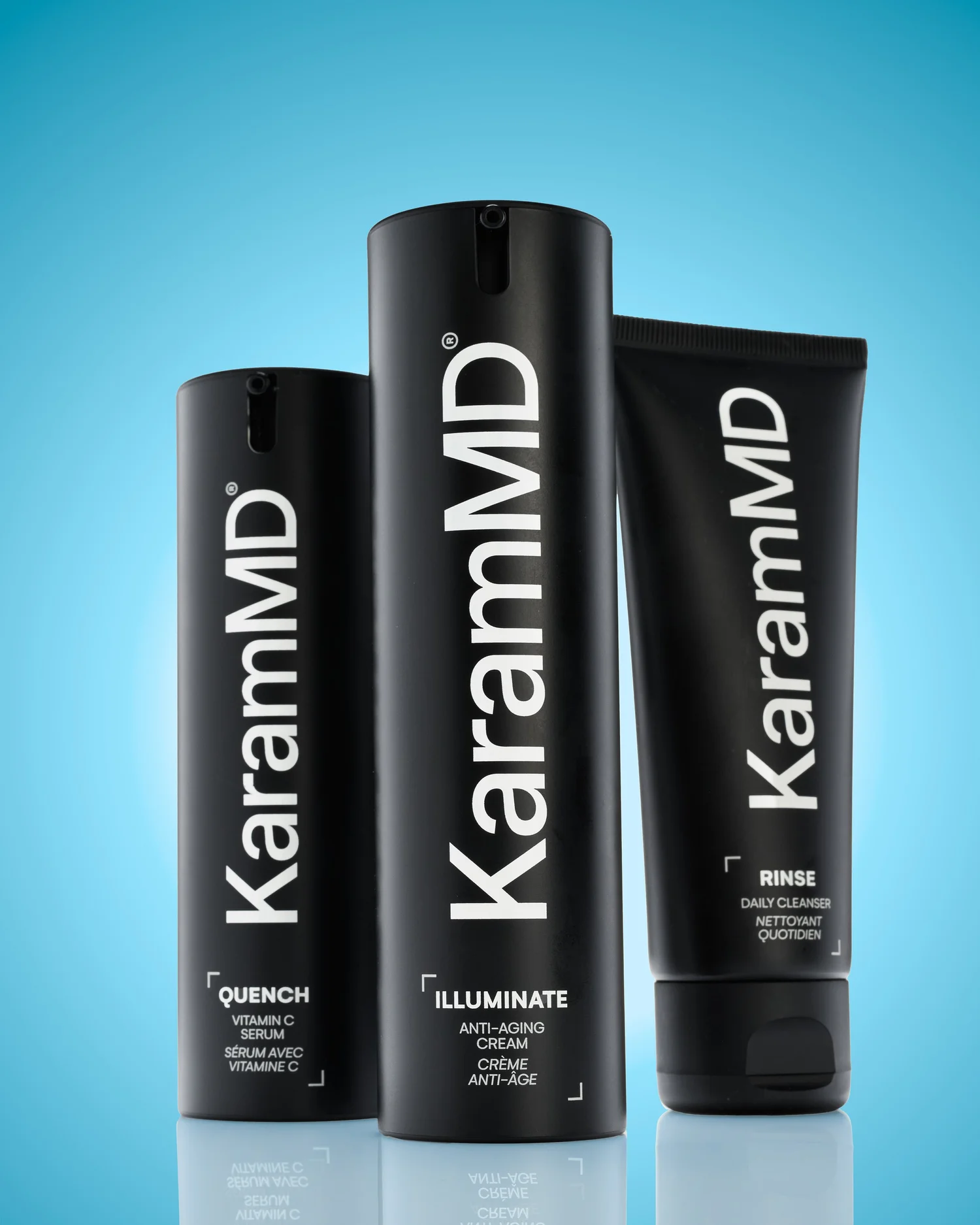
Clean, accurate catalog work for the Karam MD skincare line.
The expensive work exists for a different job. A two thousand dollar image, usually a series, gets built when there's a brand to match, a specific mood to hit, and a look that has to stay consistent across a whole campaign. That kind of cohesion is something a customer feels without being able to name it, and it takes planning to pull off. That's commercial product photography earning its keep: lighting and composition built to make someone want the thing, not just see it. You can see that campaign-level work in my featured projects.
What you should take from this is permission to buy what fits. Match the spend to the job. If all you need is a clean catalog look, get that done well and put your money there. If you're weighing clean white-background shots against styled images, my guide on white background versus styled product photos breaks down which your store needs. And if you're anchoring a campaign, that's when the bigger investment pays you back.
Licensing and Usage: Paying for Where Your Images Will Live
This is the part most people have never heard of, and it can move a price a lot. When you hire a photographer, you're often buying permission to use an image a certain way, not the image itself. I keep the copyright on my work, which is standard in the industry, and I license it to fit what you're actually going to do with it.
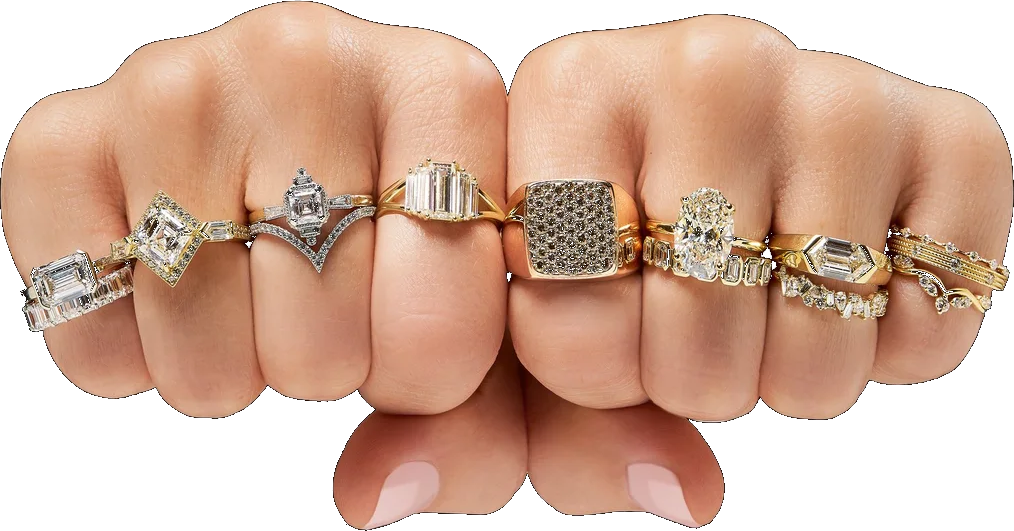
Jewelry work for Caleesi Designs, created for an Austin billboard campaign.
Here's why that's fair to you rather than a hidden fee. A startup running one product on its own website should never pay the same as a national brand running your photos as paid ads across the country for three years. I had a wellness company reach out recently wanting exactly that kind of reach, and that level of use carries a premium that has nothing to do with how long the shoot took. It has everything to do with how much the image earns once it's out in the world.
The upside for you is that you only pay for the use you need. I won't sell you rights you'll never touch, and I'll tell you plainly what your license covers. If you want to understand the topic on your own terms, the American Society of Media Photographers is a respected industry resource, and the U.S. Copyright Office explains how image ownership and licensing actually work.
How to Get the Most for Your Money
A smooth project is partly on me and partly on you, and the clients who get the best results all do a few simple things. The biggest one is telling me early where the images will live and what you're trying to accomplish. That single answer shapes everything, and it keeps me from quoting you for work you don't need.
Quick feedback matters almost as much. I shoot in stages and send images for your review as I go, and I ask you to weigh in within about 48 hours. Once you approve a setup, I break it down and move to the next, because I only run a couple of setups at a time. A torn-down set never rebuilds exactly the same way, so fast approvals keep your project on schedule and on budget.
It also helps to come in with a rough sense of what you want. A few reference images of looks you like tell me more than a long email. You don't have to speak photography. Just point at what feels right and I'll handle the how. You can see the range of work I'm describing in my photography portfolio, get a sense of how I work, and the full step by step lives on my production process page if you're the type who likes to see how the sausage gets made.
What Honest Product Photography Pricing Looks Like
You should expect a few things from anyone you hire. A quote that explains itself. A photographer who tells you when a job is simple instead of padding it. And no games at the finish line.
The way I run it, the estimate is the estimate. If I quote ten hours and the work takes six, you pay for six. If I lose time to my own mistakes, that's mine to eat, not something that shows up on your invoice. I treat a brand-new client the same as one I've worked with for years, and you get your finished images once the project is paid, with no holding anything hostage either direction. That's what honest commercial photography pricing should feel like.
If you've got a product and you're trying to figure out what it'll really take, tell me what you're making and where it's headed. I'll walk you through the number line by line, so you know what you're paying for before you commit a dollar.
Frequently Asked Questions
How much does product photography cost?
It comes down to two things: how many images you need and where they'll be used. A clean set of shots on white for your online store sits at the affordable end, since the setup is efficient. Hero images, shiny or complicated products, and wide usage rights all add time and cost. The quickest way to get a real number instead of a vague range is to share your product, roughly how many images you want, and where they'll appear. With those, a photographer can quote your actual job rather than a one-size package.
Do I need to be there for the shoot, or can I ship my product?
Either works. Roughly half of my clients are outside Texas, so a lot of products simply arrive by mail, and I shoot them once they're here. Local clients sometimes drop products off or hand them over in person. You're welcome to attend, though most people find the pace surprisingly tedious, since much of the work is moving a light an inch and shooting again. After we've worked together once, most clients are glad to ship the product and let me handle the shoot on my own.
What does a typical product photo shoot day look like?
Most of it is methodical rather than glamorous. I usually start with the simplest shot to learn how your product responds to light, then work through the shot list one setup at a time. Every camera move means resetting the lights and background, so I shoot in a deliberate order to stay efficient. I work in my studio most of the time and rent space when a job needs more room. As I go, I upload images to a private gallery so you can review the look before I move on to the next setup.
What's the difference between commercial and e-commerce product photography?
E-commerce photography is the clean, accurate work that shows a shopper exactly what your product looks like, usually on a white or simple background. Commercial product photography is broader, covering hero shots, styled scenes, and advertising images built to sell a feeling rather than just document the facts. Most stores need the e-commerce foundation first, since that's what closes the sale on the page. Commercial work comes in when you're building a campaign or a brand look. Plenty of projects use both, and knowing which one a given image needs to be keeps your budget honest.
Can you keep my product photos consistent as my catalog grows?
Yes, and it's worth planning for. For every shoot, I document the lighting setup, the distances, the power settings, and the placement, then save it to your file. When you add products later, I pull those notes and rebuild the same look, so a shot taken a year from now still matches your existing catalog. That consistency matters more than people expect. A page where every image looks like it was shot by a different person reads as less trustworthy, even when each photo is fine on its own.
Can you photograph prototypes or products that aren't final yet?
Often, yes, but tell me up front so I can plan for it. Sometimes the only thing that exists is a prototype, a single hand-built copy, or something still in production, and that changes how I handle and light it. I'll ask about the surface, whether it's metallic or fragile, and its condition, so there are no surprises on shoot day. Knowing it's a one-of-a-kind item also helps me protect it, since that gets handled very differently from a tub straight off the shelf.
About the Author
Mark A. Bowers is a commercial photographer and videographer in Austin, Texas who has specialized in product and e-commerce photography for more than ten years. He works with brands nationwide, from local startups to national advertising campaigns, covering everything from white-background e-commerce catalogs to styled hero images and product video. Peerspace named him the #2 commercial product photographer in Austin in 2022, and his work has been featured in Voyage Austin. See his portfolio at markbowersphotography.com or reach him at info@markbowersphotography.com.