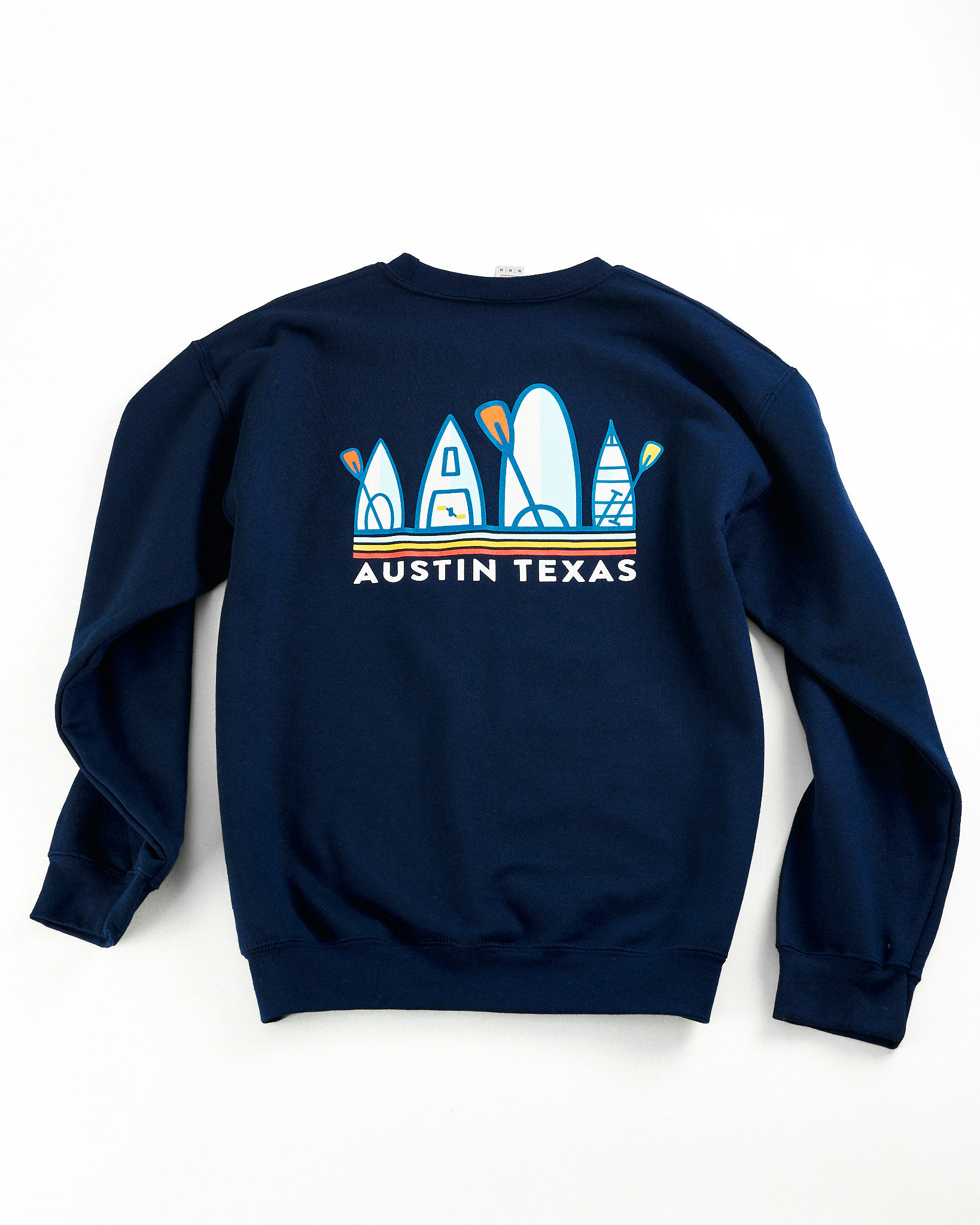
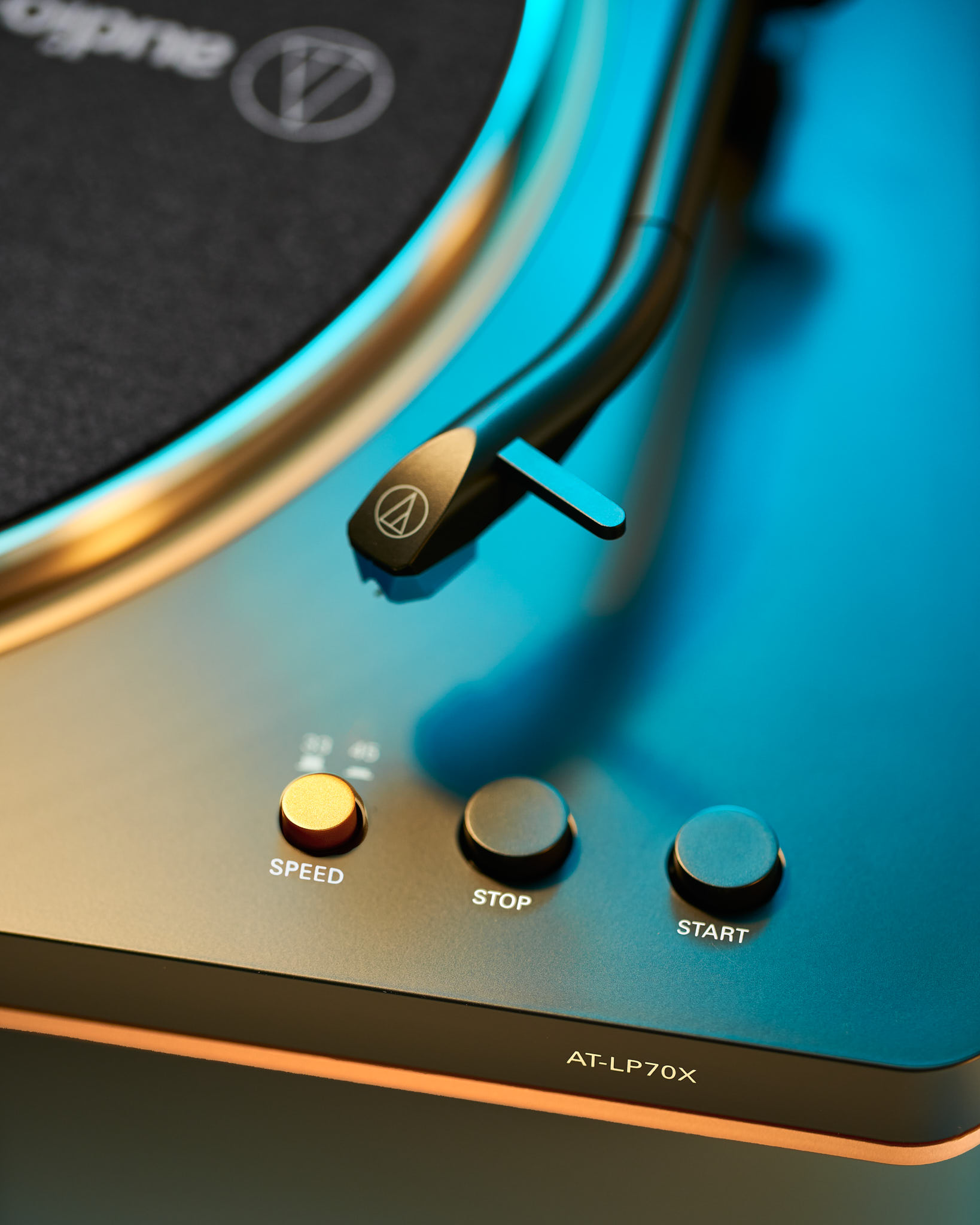

Your photos are the first thing a customer judges
Before anyone reads a word about your product, they've already looked at the picture and decided whether they trust it. That's the job your product photos are doing — and it's why pricing tends to surprise people. They came in expecting to pay for a picture. What they're really buying is whether a stranger believes in their product enough to spend money on it.
So when a quote comes back higher than you guessed, it usually isn't because photographers are expensive for the fun of it. It's because the thing you're paying for is bigger than a photo. I'd rather you understand exactly where the money goes — because once you do, you can make a smart call about what your product needs and what it doesn't.
A quote that explains itself
A good quote isn't one number with a guess behind it. Mine breaks into line items so you can see what you're buying: the planning, the shoot day, the editing afterward, plus any props, gear rentals, or licensing your project calls for. Each of those is mostly a measure of time — and time is where quality either happens or doesn't.
Where your images end up changes the cost too. Ten clean shots for your website is a different job than one hero image headed for a billboard, even when it's the same product on the same table. The use drives the number more than the click of the shutter does.
The material matters more than the camera
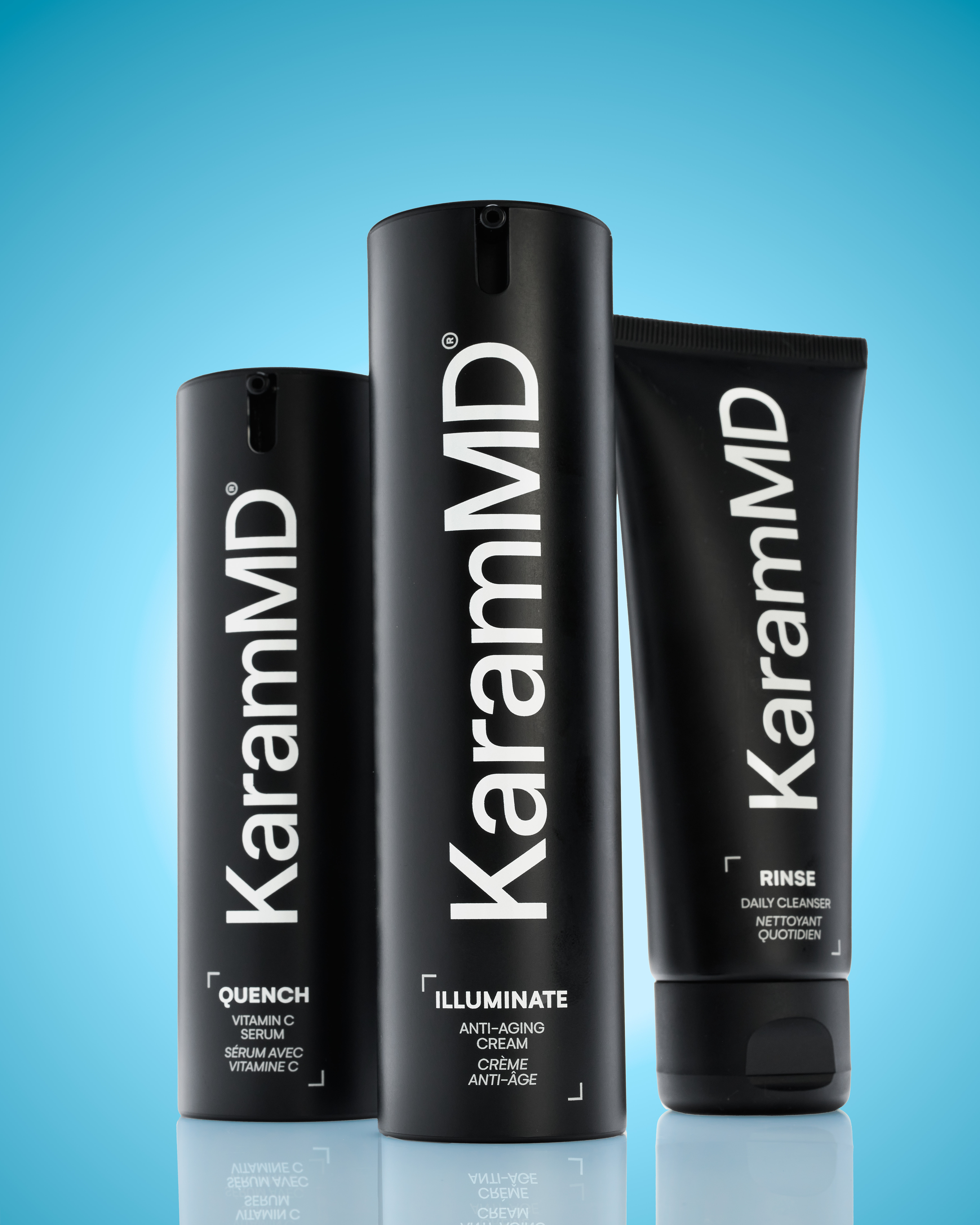
If your product is simple and matte — something clean straight out of the box — it shoots fast and prices low. Reflective and metallic products are the ones that surprise people. Glass, chrome, glossy packaging: anything shiny throws back every light and every fingerprint. Those take careful, layered lighting, and sometimes I'll shoot a product in pieces and combine the best frames into one clean image.
I've got a Yeti cup on my desk right now — matte green body with a clear, mirror-like lid. The two surfaces fight each other, and getting both right in one frame is real work. None of that effort shows in the final photo, which is exactly how it should be. Tell me what your product's made of up front, and I can give you a number you can actually plan around.
Buy what fits the job
Sometimes there isn't much of a difference, and I'll tell you that to your face. If you've got a straightforward product and need it shot clean on white for your store, you do not need to spend two thousand dollars a shot. If someone's steering you that direction for a simple job, it's worth asking why.
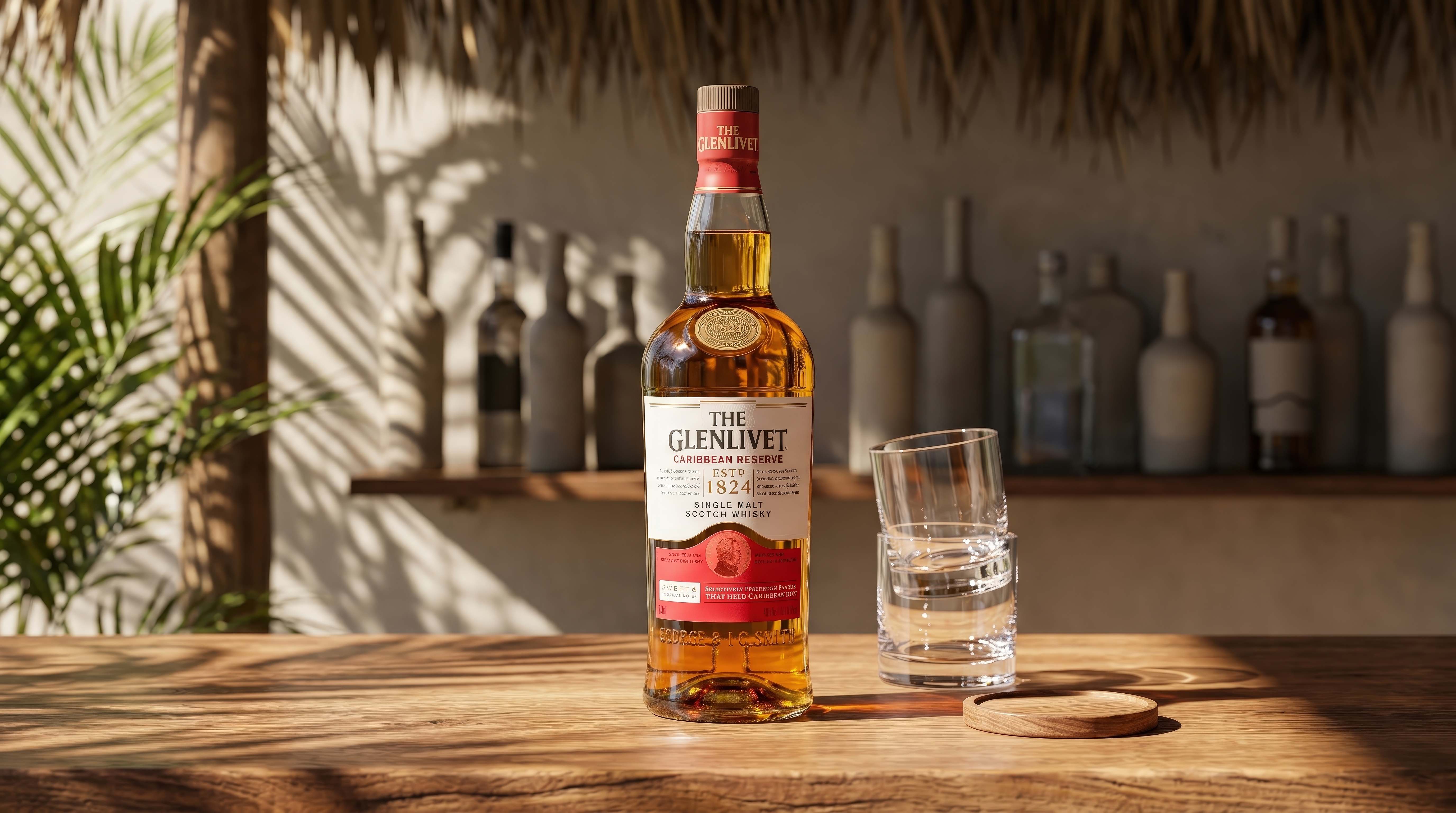
The expensive work exists for a different job: a series built when there's a brand to match, a specific mood to hit, and a look that has to stay consistent across a whole campaign. That cohesion is something a customer feels without being able to name it. Match the spend to the job — and when you're anchoring a campaign, that's when the bigger investment pays you back.
You pay for where your images will live
This is the part most people have never heard of, and it can move a price a lot. When you hire a photographer, you're often buying permission to use an image a certain way — not the image itself. I keep the copyright on my work, which is standard, and license it to fit what you're actually going to do with it.
Here's why that's fair to you: a startup running one product on its own website should never pay the same as a national brand running paid ads across the country for three years. You only pay for the use you need — I won't sell you rights you'll never touch. For more, the American Society of Media Photographers and the U.S. Copyright Office are solid resources.
A smooth project is partly on you
The clients who get the best results all do a few simple things. You don't have to speak photography — just point at what feels right and I'll handle the how.
That single answer shapes everything, and keeps me from quoting you for work you don't need.
I shoot in stages and send images as I go — weighing in within about 48 hours keeps your project on schedule. A torn-down set never rebuilds exactly the same way.
A few reference images of looks you like tell me more than a long email.
The estimate is the estimate.
If I quote ten hours and the work takes six, you pay for six. If I lose time to my own mistakes, that's mine to eat. I treat a brand-new client the same as one I've worked with for years, and you get your finished images once the project is paid — no holding anything hostage either direction.
Tell me about your productFrequently asked questions
It comes down to two things: how many images you need and where they'll be used. A clean set of shots on white for your online store sits at the affordable end. Hero images, shiny or complicated products, and wide usage rights all add time and cost. Share your product, roughly how many images you want, and where they'll appear, and I can quote your actual job rather than a one-size package.
Either works. Roughly half of my clients are outside Texas, so a lot of products simply arrive by mail. Local clients sometimes drop products off in person. You're welcome to attend, though most people find the pace tedious — much of the work is moving a light an inch and shooting again. After we've worked together once, most clients are glad to ship and let me handle the shoot.
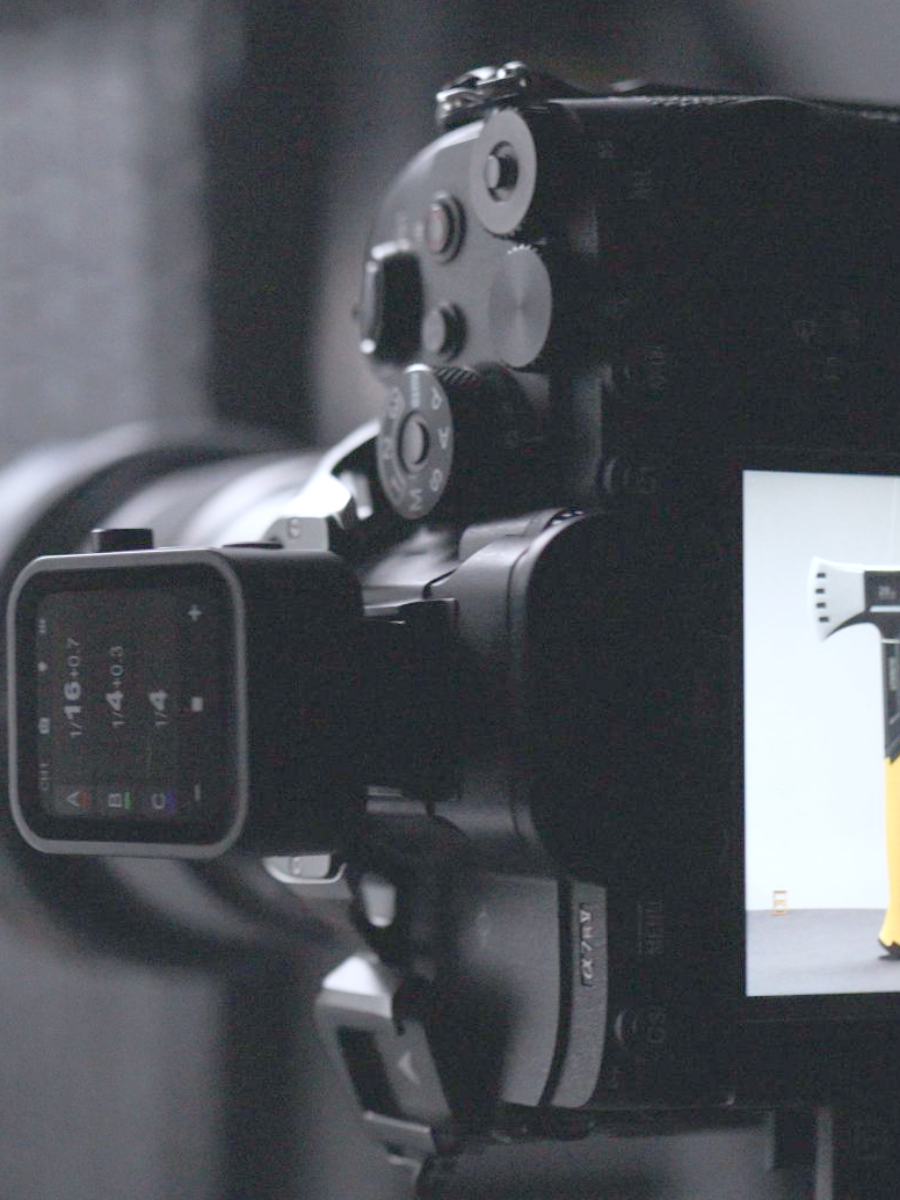
Most of it is methodical rather than glamorous. I usually start with the simplest shot to learn how your product responds to light, then work through the shot list one setup at a time. Every camera move means resetting the lights and background, so I shoot in a deliberate order. As I go, I upload images to a private gallery so you can review the look before I move on.
E-commerce photography is the clean, accurate work that shows a shopper exactly what your product looks like, usually on a white or simple background. Commercial photography is broader — hero shots, styled scenes, and advertising images built to sell a feeling. Most stores need the e-commerce foundation first; commercial work comes in when you're building a campaign or a brand look.
Yes, and it's worth planning for. For every shoot I document the lighting setup, distances, power settings, and placement, then save it to your file. When you add products later, I pull those notes and rebuild the same look — so a shot taken a year from now still matches your existing catalog.
Often, yes — but tell me up front so I can plan for it. Sometimes the only thing that exists is a prototype or a single hand-built copy, and that changes how I handle and light it. Knowing it's a one-of-a-kind item also helps me protect it, since that gets handled very differently from a tub off the shelf.
Mark Bowers is a commercial product photographer based in Austin, TX, working with consumer-goods brands and agencies on catalog, e-commerce, and campaign imagery. He operates as Thunderbolt Commercial Photography, LLC — shooting product stories built to move units.